
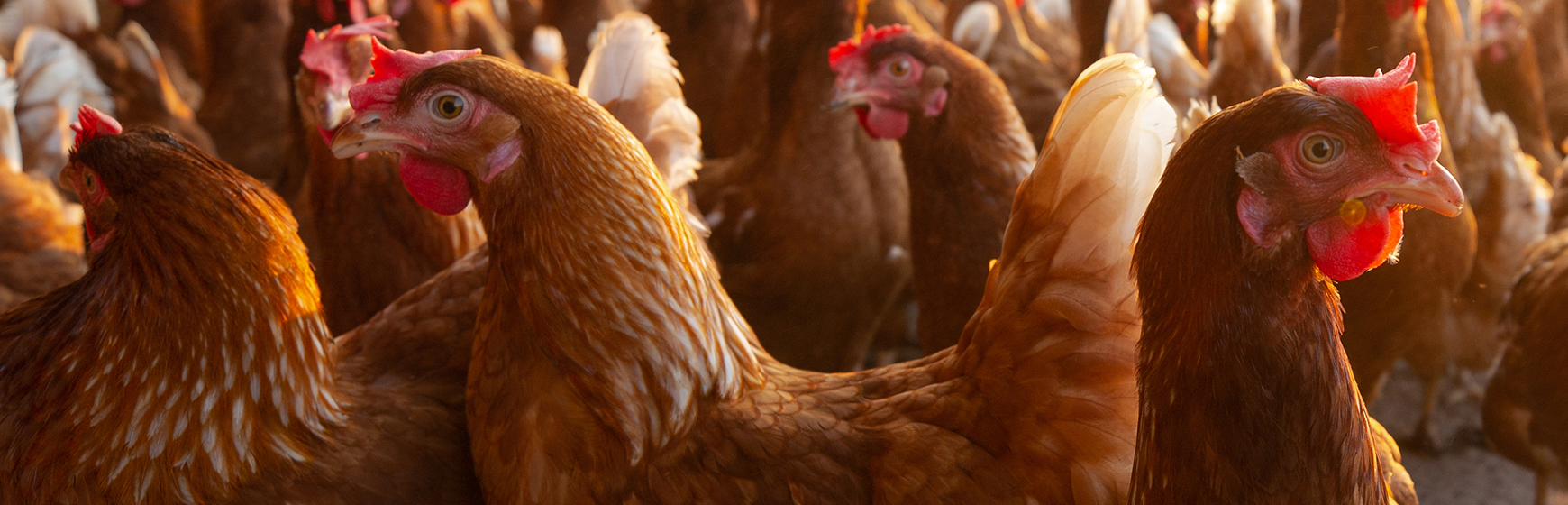
Starting in May 2026, the Italian Ministry of Health will begin a pilot vaccination program against highly pathogenic avian influenza (HPAI – H5 subtype). The initiative is being implemented in cooperation with the Veneto and Lombardy regions and with the full participation of the poultry industry supply chain.

The program will involve a small number of selected farms in the provinces of Verona and Mantua and will target the most vulnerable poultry categories, specifically meat turkeys and egg-laying hens. The project involves birds from the earliest stages of life, using vaccines approved at European level. It will be supported by a strengthened monitoring system and advanced traceability tools to assess on the field all operational aspects related to animal vaccination.

Vaccination for HPAI will be an additional protective measure that works alongside – and does not replace – the existing biosecurity, surveillance and control measures already in place. It will position Italy among the most advanced European countries in adopting innovative tools for the prevention and control of animal diseases with significant health and economic consequences. The aim is to strengthen the system’s ability to contain the spread of the virus, reducing the risk of outbreaks and safeguarding the continuity of production in the national poultry sector, thereby limiting the economic impact of the disease.

The vaccination for HPAI in poultry also fully aligns with the One Health approach, recognising the connection between animal health, human health, and the environment. Reducing viral circulation in farms in fact helps lower the risk of viral adaptation and potential “spillover” events to humans, thereby reinforcing prevention efforts in the field of public health as well.

FAQ

What is avian influenza, and why does it represent a concern?

Avian influenza is a highly contagious viral disease that affects birds and is subject to mandatory notification at the international level. In its forms caused by highly pathogenic viruses, it can lead to very serious economic consequences, both due to high mortality in poultry farms and the stringent control and eradication measures required, as well as the trade restrictions imposed on affected areas. Certain viral strains can also infect humans, making the disease relevant from a public health perspective as well.

Why is vaccination implemented in poultry production systems?

In settings marked by high environmental viral pressure, conventional preventive measures—such as biosecurity, surveillance, and movement controls—may prove insufficient. Vaccination is intended to curb viral transmission between farms and to support the control and eradication of epidemics, thereby reducing both the number of animals requiring culling and the direct and indirect costs associated with disease containment.

What is the purpose of a pilot project?

The objective of the project is to carry out a field-based evaluation of all practical and operational aspects associated with the vaccination of poultry against highly pathogenic avian influenza.

Which species are vaccinated?

The project envisages the vaccination of the species most affected during previous outbreaks, namely laying hens for the production of table eggs and fattening turkeys.

How were the farms included in the vaccination programme identified?

The farms were identified by the Italian Ministry of Health and the National reference centre for avian influenza, in coordination with representatives of the poultry sector and the competent Regions, on the basis of the assessed risk of virus introduction and spread. Vaccination is permitted and compulsory exclusively in these farms.

Which vaccines are used?

All vaccines included in and used under the Italian pilot programme are authorised by the European Medicines Agency (EMA) and have been positively evaluated in terms of efficacy, safety, and harmlessness for the species in question. They are consistent with vaccine types that have already been in use in poultry production for several years. These vaccines are not based on mRNA technology. In particular, the vaccines used fall into two categories:

  • Vectored vaccines – these employ a harmless virus that does not transmit to humans and acts as a carrier for a key influenza virus protein (haemagglutinin), which induces an immune response in vaccinated animals.
  • Subunit vaccines – inactivated vaccines used for boosting consisting solely of the most immunogenic component of the avian influenza virus.
How is the vaccine administered?

The vaccine is administered subcutaneously in turkeys and/or intramuscularly in laying hens.

Who is responsible for administering the vaccination?

Vaccination is the responsibility of the poultry farm operator, and is carried out by specially trained personnel identified to ensure the correct use and management of the vaccine, under the supervision of farm veterinarians and the veterinary services of the local health authorities (ASL).

Who covers the costs of the vaccination programme?

The costs are covered by the poultry companies.

Does vaccination completely eliminate the risk of infection?

No, vaccination helps to reduce or prevent the damage caused by infection, protects animals against severe disease, and, above all, significantly limits the spread of the virus in the environment. For effective control of the infection, vaccination must be combined with all other preventive measures and biosecurity practices.

Does vaccination cure infected animals?

No, vaccination has no curative or therapeutic effect.

Is it possible for vaccinated animals to become infected?

Yes, but when good immunity is present, infection is generally milder, thereby reducing the likelihood of transmission.

How do you distinguish between vaccinated and infected animals?

The vaccines used make it possible to distinguish, through specific diagnostic tests, between animals that have only been vaccinated and those that have been infected with the virus, as these tests detect viral components that are absent from the vaccine.

What are the main benefits of vaccination?

Vaccination allows:

  • to increase animals’ resistance to infection;
  • to reduce mortality and disease severity, and consequently the economic impact;
  • to decrease viral replication and spread;
  • to contribute, together with other measures, to the reduction of outbreaks;
  • to reduce the risk of transmission to humans.
What is the long-term objective?

To make poultry populations in high-risk areas more resistant to the infection, thereby reducing the impact of introductions of avian influenza viruses, particularly those carried by wild birds.

Are there any limitations in terms of effectiveness?

Yes. Effectiveness depends on the correct administration of the vaccine, the viral load in the environment, and the antigenic match between the vaccine and the circulating viral strains.

Does vaccination replace biosecurity measures?

No. Biosecurity remains essential to prevent the introduction of the virus into poultry farms.

How are vaccinated poultry farms monitored?

Monitoring activities are carried out in accordance with Regulation (EU) 2023/361 and include regular inspections, at least on a monthly basis, together with checks before animals are moved. The prompt notification of suspected signs or unusual mortality is also required.

Does vaccination pose any risks to human health?

No. The vaccines used are considered safe and do not present any risk to farm workers or consumers.

Can vaccines cause side effects in animals?

No. Side effects, such as local reactions at the injection site, may occur only if the vaccines are improperly stored or administered. The vaccines used have been authorized by the European Medicines Agency (EMA), following a positive evaluation of their safety and effectiveness

Are there any risks associated with consuming poultry products?

No. Eggs and meat are safe for consumption and do not contain vaccines or vaccine-derived components administered during the production process.